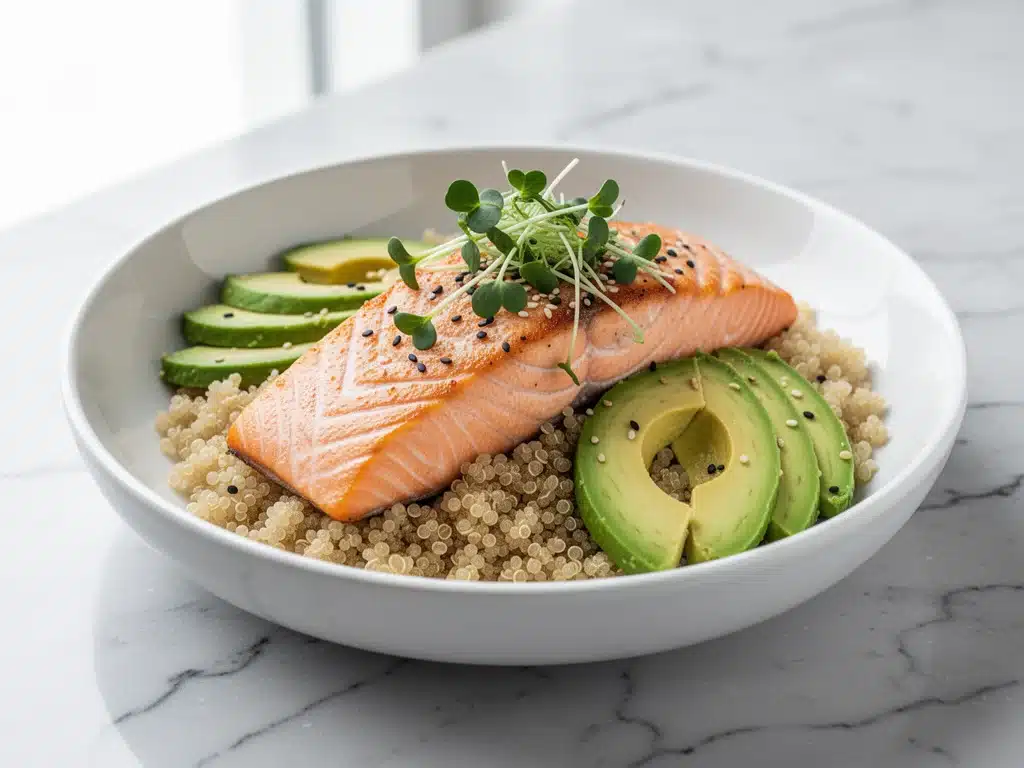
Last Thursday night, I was standing in my kitchen at 6:45 PM, staring into the fridge with that specific kind of despair that only happens when you’re too tired to think but too hungry to wait for takeout. I had a piece of salmon that needed to be cooked, a bag of quinoa that was slowly turning into a rock, and a handful of sad-looking spinach. I didn’t want to cook. I really didn’t. But I also didn’t want to order $25 worth of food that would arrive cold and sad.
So, I threw it all into a bowl. I baked the salmon with a quick lemon-dill rub, steamed the quinoa in the microwave (don’t judge me, I was desperate), and just piled everything together. I sat down to eat, expecting a mediocre compromise. Instead, I had the best dinner I’d had in months. It was vibrant, it was filling, and it actually made me feel good about what I’d eaten. That accidental Tuesday meal turned into a weekly ritual. Now, I intentionally make these high-protein baked salmon bowls with quinoa three times a week. They’ve saved my sanity during busy workweeks and my waistline during lazy weekends.
There’s something deeply satisfying about a meal that looks as good as it tastes. The bright orange of the salmon against the fluffy white quinoa and green veggies is pretty enough for Instagram, but it’s the nutrition profile that keeps me coming back. This isn’t one of those “diet” meals that leaves you hangry an hour later. It’s real food. Real protein. Real flavor. If you’re looking for a dinner that supports your fitness goals without tasting like cardboard, you need to try this. I’ve tweaked the ratio of fish to grain until it was perfect, and I’m sharing exactly how I do it.
Why You’ll Love This High-Protein Baked Salmon Bowl Recipe
Once you’ve made these salmon bowls a few times, you’ll realize why they’ve replaced almost every other dinner option in my rotation. It’s not just about the taste—though the lemon-dill salmon is incredible—it’s about how they fit into real life. Here’s what makes this recipe a total game-changer:
- Meal Prep Magic — These bowls are the ultimate make-ahead meal. I bake the salmon and cook the quinoa on Sunday, and I have healthy lunches or dinners for the entire week. They actually taste better on day two, as the flavors have a chance to meld. I pack them for work every Wednesday, and my coworkers still ask for the recipe.
- Insane Protein Power — One bowl delivers around 30-35 grams of protein. That’s huge. Whether you’re trying to build muscle, stay full longer, or just recover from a workout, this hits the mark. The salmon provides lean, high-quality protein, and the quinoa adds a nice plant-based boost that keeps you satisfied until dinner time.
- Ready in 25 Minutes — If you aren’t meal prepping, this is a lightning-fast weeknight dinner. The salmon bakes while you steam the quinoa. You’re eating within 25 minutes of starting. I’ve made this on nights when I walked in the door with only 20 minutes to kill, and it still felt like a gourmet meal.
- Customizable Without Stress — Don’t like avocado? Swap it for roasted sweet potatoes. Hate spinach? Use kale or edamame. The base is solid, but the toppings are your playground. I’ve made this with mango salsa, with roasted broccoli, and even with pickled onions. It’s a blank canvas for whatever veggies you have left in the crisper drawer.
- Heart-Healthy Fats — This isn’t just about protein; it’s about good fats. The omega-3s in the salmon are amazing for your brain and heart, and adding avocado or nuts gives you healthy fats that keep your skin glowing and your energy stable. It’s comfort food that’s actually good for you.
Real talk: I used to think healthy eating meant bland chicken breast and steamed broccoli. These salmon bowls proved me wrong. This is what healthy eating should feel like: colorful, flavorful, and genuinely exciting to eat.
Ingredients You’ll Need for High-Protein Baked Salmon Bowls
The beauty of this recipe is that the ingredient list is short, simple, and mostly stuff you probably already have. I’m not asking you to go to three different stores for obscure spices. Here’s exactly what you need to make this work, along with my tips for picking the best stuff.
For the Salmon
Salmon fillets (4 pieces, about 6oz each / 170g each) — This is the star. I always look for wild-caught Alaskan salmon if it’s in my budget, but farmed Atlantic works fine too. The key is fresh, not slimy. Look for firm flesh that springs back when you press it. If you’re on a budget, salmon steaks (with the bone) are cheaper and work great, though they take a few minutes longer to bake.
Extra virgin olive oil (2 tablespoons / 30ml) — Use a good quality oil here. It’s one of the main flavors, so don’t use the cheap stuff. I keep a bottle in my fridge for dressings and another for cooking.
Lemon (1 large / about 80g) — You’ll need both the zest and the juice. Fresh lemon juice is non-negotiable; bottled juice tastes metallic and kills the vibe. Squeeze it yourself.
Dried dill (1 teaspoon / 1g) — Fresh dill is amazing, but dried is more concentrated and easier to keep stocked. I use dried because it adheres better to the fish before baking. If you use fresh, chop it finely and use twice the amount.
Garlic (2 cloves, minced / about 1 tablespoon) — Fresh garlic only. The jarred stuff doesn’t have the same punch. Minced fine so it doesn’t burn in the oven.
Salt and black pepper (to taste) — I use kosher salt. It’s easier to control. Generous seasoning is key.
For the Quinoa Base
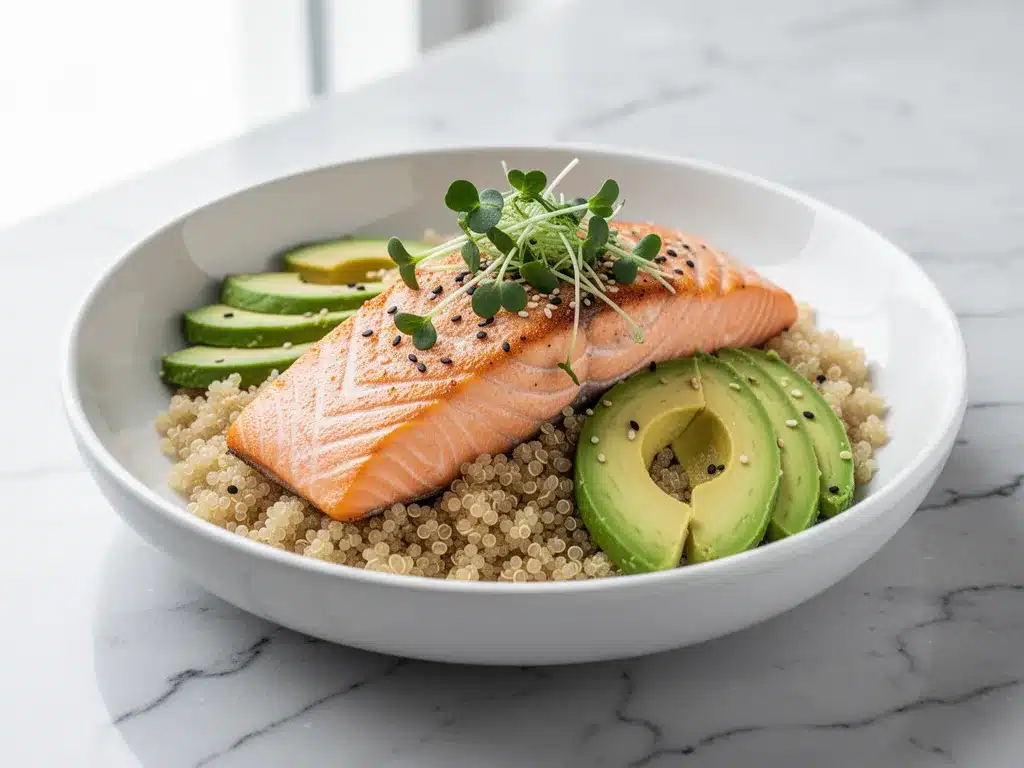
Quinoa (1 cup dry / 185g) — I prefer white quinoa for its fluffy texture, but red or tri-color works too if you want a nuttier bite. Rinse it well! This removes the bitter saponin coating. If you skip this step, your bowl will taste slightly soapy.
Chicken or vegetable broth (2 cups / 480ml) — Cooking quinoa in broth instead of water adds so much flavor. I keep low-sodium broth on hand so I can control the salt. Vegetable broth keeps it vegetarian-friendly.
Salt (½ teaspoon) — For the cooking liquid.
For the Bowls
Avocado (1 large / about 150g) — Sliced. Pick one that’s ripe but still holds its shape. If it’s mushy, it’ll be a mess in the bowl. If it’s hard, wait two days.
Cherry tomatoes (1 cup / 150g) — Halved. They add a juicy burst of sweetness that cuts through the rich salmon. Heirloom tomatoes are better in summer, but regular red ones work year-round.
Spinach or mixed greens (2 cups / 60g) — I use baby spinach because it’s tender and doesn’t need chopping. Kale is great if you massage it with a little oil first to soften it.
Roasted chickpeas (½ cup / 75g) — For extra crunch and protein. I toss canned chickpeas in olive oil and paprika and roast them while the salmon bakes. It’s a cheap way to add texture.
Tahini or lemon vinaigrette (¼ cup / 60ml) — For drizzling. I usually mix tahini, lemon juice, a little water, and garlic. It’s creamy, tangy, and ties everything together.
Equipment You’ll Need
You don’t need a fancy kitchen to make this. Here’s what I actually use on my counter:
Baking sheet — I use a standard half-sheet pan. Line it with parchment paper for easy cleanup. The salmon releases easily, and you won’t have to scrub burnt bits later.
Small saucepan — For cooking the quinoa. A 2-quart pot is perfect. If you don’t have one, a microwave-safe bowl works for the quinoa if you’re in a rush.
Measuring cups and spoons — Standard stuff. I have a set that’s been in my drawer for ten years.
Knife and cutting board — For prepping the veggies. A sharp chef’s knife makes slicing the avocado and tomatoes much easier and safer.
Fork — For flaking the salmon. You’ll use this to check if the salmon is done and to break it into chunks.
Whisk — Small one, for mixing the tahini sauce. If you don’t have a whisk, a fork works fine.
Bowls — Four large serving bowls. I love ceramic ones because they keep the food warm a bit longer.
How to Make High-Protein Baked Salmon Bowls with Quinoa
Alright, let’s get cooking. This process is straightforward, but there are a few tricks to keep the salmon moist and the quinoa fluffy. I’m walking you through exactly how I do it.
Step 1: Prep the Quinoa (15 minutes)
Start with the quinoa because it takes the longest. Place 1 cup of dry quinoa in a fine-mesh strainer and rinse it thoroughly under cold water. Rub the grains with your fingers to remove the bitter coating. This step is crucial. Once rinsed, add the quinoa and 2 cups of broth to your saucepan. Bring it to a boil, then reduce the heat to low, cover, and simmer for 15 minutes. Remove from heat and let it sit, covered, for another 5 minutes. Fluff with a fork. This resting period is what makes the quinoa light and airy instead of gummy.
Step 2: Prepare the Salmon (5 minutes)
While the quinoa cooks, preheat your oven to 400°F (200°C). Line a baking sheet with parchment paper. Pat the salmon fillets dry with paper towels—this helps the seasoning stick. In a small bowl, mix the olive oil, lemon zest, lemon juice, minced garlic, dried dill, salt, and pepper. Brush this mixture generously over the top of each salmon fillet. You want a nice coating. Let them sit while you chop your veggies.
Step 3: Roast the Chickpeas (Optional but Recommended)
If you’re adding roasted chickpeas, drain and rinse a can of chickpeas. Pat them very dry. Toss them with a teaspoon of olive oil, smoked paprika, and a pinch of salt. Spread them on a separate small baking sheet or the corner of your salmon sheet. They’ll roast in the oven while the salmon cooks. This adds a crunchy, nutty element that contrasts with the soft salmon.
Step 4: Bake the Salmon (12-15 minutes)
Place the salmon fillets on the baking sheet, skin-side down if they have skin. Bake for 12-15 minutes. The salmon is done when it flakes easily with a fork and reaches an internal temperature of 145°F (63°C). I prefer it slightly undercooked, around 140°F, because it stays moister. Don’t overcook it! Overcooked salmon is dry and disappointing. Look for that opaque, flaky texture.
Step 5: Assemble the Bowls
While the salmon rests for a minute, divide the fluffy quinoa among your four bowls. Top each bowl with a generous handful of spinach or greens. Flake the salmon into large chunks and arrange it over the greens. Add the halved cherry tomatoes and sliced avocado. Sprinkle the roasted chickpeas over the top for crunch. Drizzle everything with your tahini-lemon sauce. Serve immediately.
Expert Tips for Perfect Salmon Bowls
Here’s everything I’ve learned from making these bowls dozens of times. These tips will save you from common pitfalls.
Rinse the Quinoa Thoroughly
I can’t stress this enough. If you don’t rinse the quinoa, it will have a bitter, soapy taste. Use a fine-mesh strainer and rinse until the water runs clear. It takes about 30 seconds, but it makes a huge difference in flavor.
Don’t Overcook the Salmon
Salmon continues to cook slightly after you take it out of the oven. Pull it when it looks almost done in the center. It should be translucent orange in the very middle, not chalky white. Overcooked salmon is dry and tough. Trust me, slightly under is better than over.
Make a Big Batch of Sauce
The tahini-lemon sauce is the glue that holds the bowl together. It’s tangy, creamy, and delicious. I usually double or triple the recipe because I want to drizzle it on everything. It keeps in the fridge for a week, so make extra.
Use Fresh Lemon Juice
Bottled lemon juice tastes artificial and sharp. Fresh-squeezed juice is bright and sweet. It’s worth the extra minute to squeeze a lemon. Your taste buds will thank you.
Prep Veggies Ahead
If you’re meal prepping, chop all your veggies on Sunday. Store them in airtight containers. When you’re ready to eat, just assemble. This makes weeknight dinners take literally 5 minutes.
Variations and Substitutions
Once you’ve mastered the basic version, here’s how you can mix it up. I’ve tried all of these, and they’re all winners.
Tropical Salmon Bowl
Swap the dill for ginger and soy sauce. Top with mango slices, edamame, and a spicy mayo drizzle. It’s a totally different vibe but just as high-protein.
Mediterranean Style
Use feta cheese instead of avocado. Add kalamata olives, cucumber slices, and a red wine vinaigrette. It’s like a Greek salad with salmon.
Spicy Kick
Add sriracha or chili flakes to the tahini sauce. Top with pickled jalapeños. This is my go-to when I want something with a bit of heat.
Vegetarian Swap
Replace the salmon with baked tofu or tempeh. Marinate it in the same lemon-dill mixture. It’s not the same, but it’s a good high-protein alternative.
Gluten-Free
This recipe is naturally gluten-free, as long as you check your broth and sauce ingredients. Most quinoa and salmon are GF, but always double-check labels.
Serving and Storage
How to Serve
I usually serve these warm, with the salmon still slightly warm and the quinoa fluffy. But they’re also great at room temperature, which makes them perfect for lunch boxes. I pack mine in glass containers with the sauce on the side to keep the greens from wilting.
Storage
Store leftover salmon and quinoa in airtight containers in the fridge for up to 4 days. The salmon stays moist for a few days, especially if you don’t overcook it initially. The veggies, however, are best added fresh. If you meal prep, keep the spinach and avocado separate and add them right before eating.
Reheating
Reheat the salmon and quinoa in the microwave for 1-2 minutes, or in a skillet over low heat. Be gentle with the salmon so it doesn’t dry out. Add a splash of water or broth if the quinoa seems dry. The avocado should always be fresh, so don’t try to reheat it.
Freezing
I don’t recommend freezing these bowls. The quinoa becomes grainy, and the avocado turns brown and mushy. It’s best enjoyed fresh. Make small batches so you have just enough for the week.
Nutrition Information
I’m not a nutritionist, but here’s the breakdown if you’re tracking your macros. These numbers are approximate for one bowl with salmon, quinoa, veggies, and sauce.
Per Serving:
- Calories: 450
- Protein: 32g
- Carbs: 35g
- Fiber: 8g
- Fat: 18g
- Saturated Fat: 3g
- Cholesterol: 75mg
- Sodium: 350mg
What’s Good: High protein, good fiber, healthy omega-3 fats.
What to Know: The calorie count can vary based on the size of the salmon fillet and how much sauce you use. If you’re watching calories, go light on the sauce and avocado.
Final Thoughts
So that’s my go-to high-protein baked salmon bowls with quinoa! I’ve probably talked your ear off at this point, but when you make a recipe this often, you have a lot to say about it. These bowls have saved my weeknight dinners more times than I can count. They’re my answer to “what’s for dinner” when I’m tired, don’t want takeout, and still want something that tastes really good. My family is happy, I’m happy, and I’m happy because I’m not stressed about cooking.
Make it yours! Try different add-ins, swap in your favorite vegetables, adjust the spice level. The best recipes are the ones you adapt to your family’s tastes. If you make this, drop a comment and let me know what you think! I love hearing how recipes turn out in your kitchen. And if something doesn’t work, tell me that too—I’m here to help troubleshoot. Happy cooking! And I hope your kitchen smells half as good as mine does right now.
Frequently Asked Questions
Can I use canned salmon instead of fresh?
You can, but the texture will be different. Canned salmon is flakier and softer, so it won’t have the same firm bite as a baked fillet. If you use canned, skip the baking step and just mix it with the seasoning. It works well if you’re short on time or budget, but fresh salmon is definitely superior for this bowl.
Why did my quinoa turn out mushy?
This usually happens if you used too much liquid or didn’t let it rest. The ratio is 1 cup quinoa to 2 cups liquid. If you add more, it gets soggy. Also, make sure you remove it from heat and let it sit, covered, for 5 minutes after cooking. This allows the steam to finish cooking the grains gently. Fluff it with a fork only after this resting period.
Can I meal prep these for the whole week?
Yes, absolutely. I meal prep these on Sundays. The salmon and quinoa keep well for 4-5 days. However, I recommend keeping the avocado and fresh greens separate. Add them right before you eat. If you put the avocado in the bowl on Sunday, it will turn brown and look unappetizing by Wednesday. The sauce can be stored in a small jar and added when you’re ready to eat.
What’s a good substitute for tahini?
If you don’t like tahini, you can use Greek yogurt mixed with lemon juice and garlic. It’s tangy and creamy, similar to a tzatziki. You can also use a simple olive oil and lemon vinaigrette, or even a spicy mayo. The key is something creamy and tangy to balance the rich salmon.
How do I know when the salmon is done?
The best way is to check the internal temperature with a meat thermometer. It should reach 145°F (63°C). If you don’t have a thermometer, look for opacity. The salmon should change from translucent orange to opaque pink. It should also flake easily when you press it with a fork. If it’s still translucent in the center, give it another minute.
Can I make this gluten-free?
Yes, this recipe is naturally gluten-free. Just make sure your broth and any added sauces (like soy sauce or tahini blends) are certified gluten-free. Most quinoa and salmon are GF, so it’s an easy swap for those with sensitivities.
Can I freeze the salmon?
You can freeze cooked salmon, but the texture may become a bit dry or mealy when thawed. It’s best eaten fresh. If you need to freeze it, do so within 2 days of cooking. Thaw it in the fridge overnight and use it in salads or sandwiches rather than bowls, where texture matters more.
Pin This Recipe!
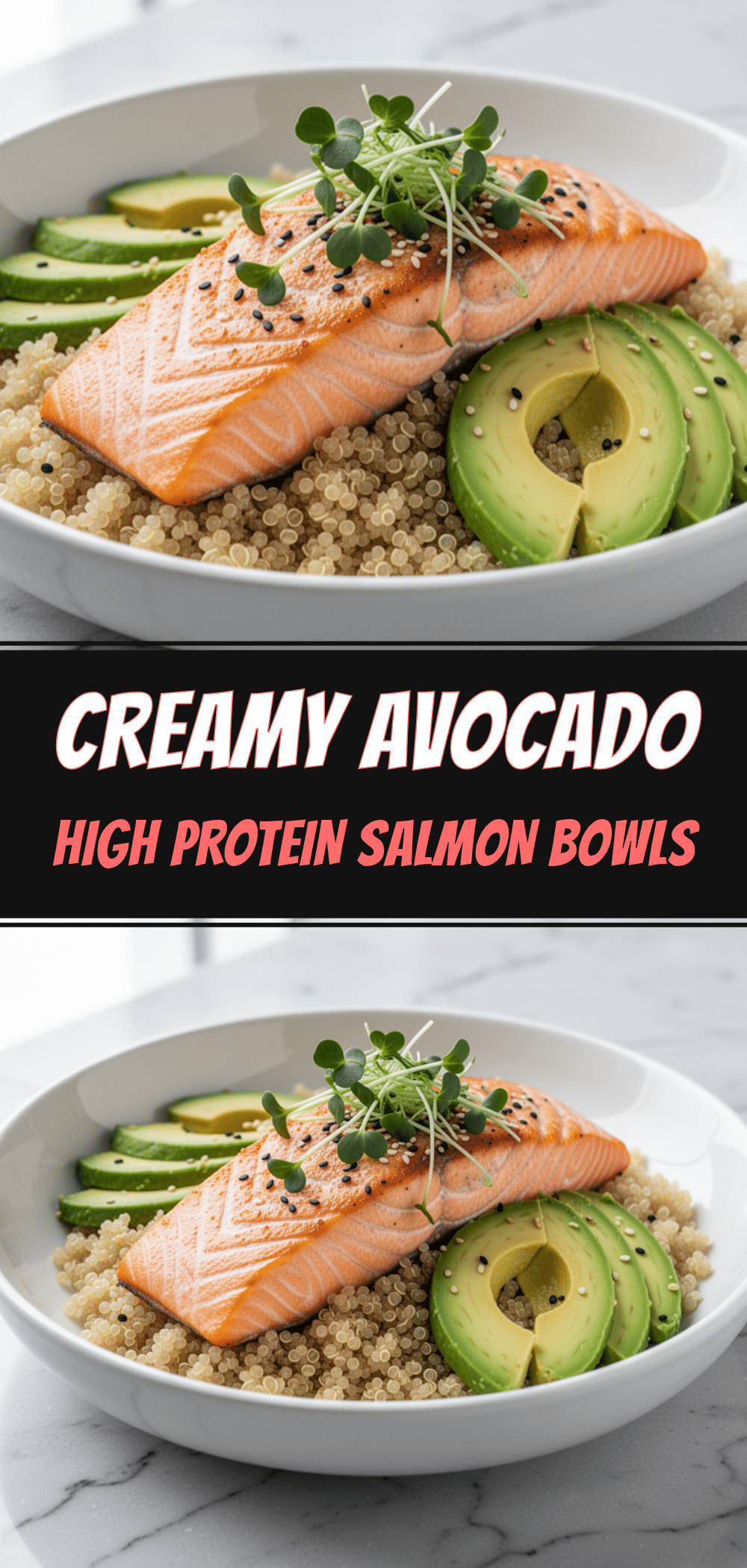
High-Protein Baked Salmon Bowls with Quinoa
- Total Time: 25 minutes
- Yield: 4 servings 1x
Description
A vibrant, high-protein meal featuring lemon-dill baked salmon, fluffy quinoa, and fresh veggies, ready in just 25 minutes and perfect for meal prep.
Ingredients
- 4 salmon fillets (about 6oz each)
- 2 tablespoons extra virgin olive oil
- 1 large lemon (zest and juice)
- 1 teaspoon dried dill
- 2 cloves garlic, minced
- Salt and black pepper to taste
- 1 cup dry quinoa
- 2 cups chicken or vegetable broth
- 1 large avocado, sliced
- 1 cup cherry tomatoes, halved
- 2 cups baby spinach or mixed greens
- 1/2 cup roasted chickpeas
- 1/4 cup tahini or lemon vinaigrette
Instructions
- Rinse 1 cup of dry quinoa thoroughly under cold water to remove bitter coating.
- Combine quinoa and 2 cups of broth in a saucepan. Bring to a boil, then reduce heat to low, cover, and simmer for 15 minutes.
- Remove from heat and let sit, covered, for 5 minutes. Fluff with a fork.
- Preheat oven to 400°F (200°C). Line a baking sheet with parchment paper.
- Pat salmon fillets dry. Mix olive oil, lemon zest, lemon juice, garlic, dill, salt, and pepper. Brush mixture over salmon.
- Optional: Toss chickpeas with olive oil and paprika, then spread on a baking sheet.
- Place salmon skin-side down on the baking sheet. Bake for 12-15 minutes until internal temperature reaches 145°F.
- Divide quinoa among four bowls. Top with spinach, flaked salmon, tomatoes, avocado, and chickpeas.
- Drizzle with tahini-lemon sauce and serve immediately.
Notes
Rinse quinoa thoroughly to remove bitterness. Do not overcook salmon to keep it moist. Store avocado and fresh greens separately when meal prepping to prevent browning and wilting. This recipe is naturally gluten-free if using certified GF broth and sauces.
- Prep Time: 15 minutes
- Cook Time: 15 minutes
- Category: Main Course
- Cuisine: American
Nutrition
- Serving Size: 1 bowl
- Calories: 450
- Sodium: 350
- Fat: 18
- Saturated Fat: 3
- Carbohydrates: 35
- Fiber: 8
- Protein: 32
Keywords: salmon bowl, quinoa recipe, high protein, meal prep, healthy dinner, baked salmon, gluten-free, omega-3


