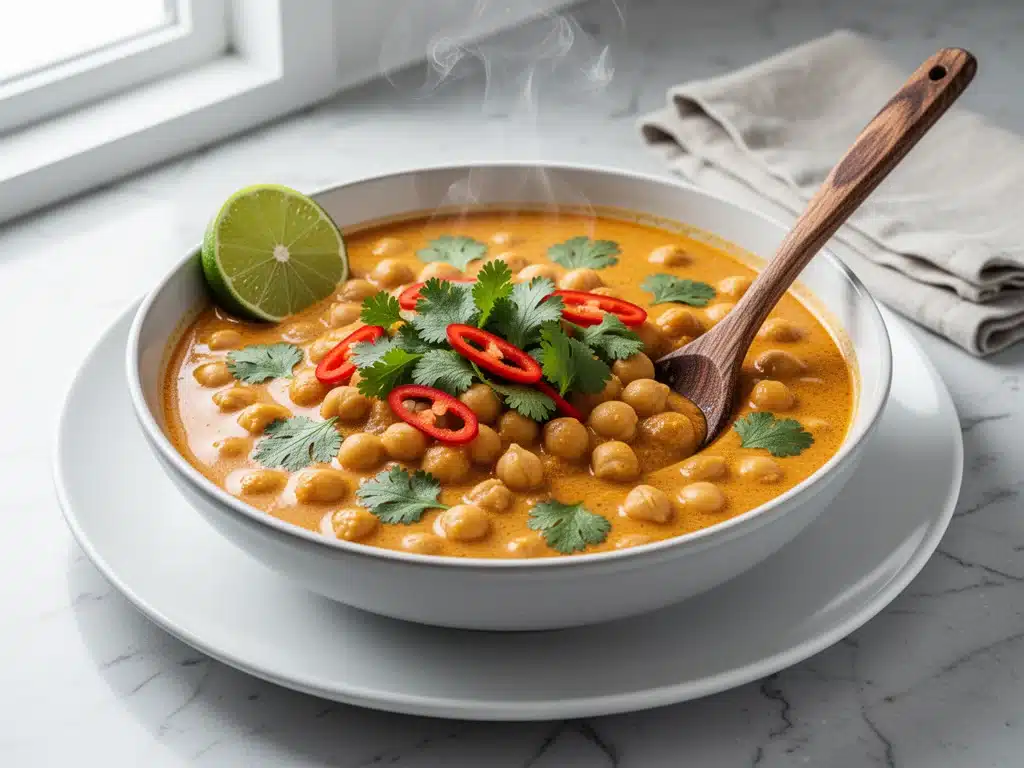
I have a confession to make. For the longest time, I treated dinner on Tuesdays like a punishment. You know the vibe: I’d get home from work, mentally exhausted, and stare into the fridge hoping it would offer me a solution. It never did. I’d end up either ordering takeout (which, let’s be honest, is expensive and usually leaves me feeling sluggish) or scraping together a sad sandwich. Then, about eighteen months ago, I stumbled onto this vegan one-pot coconut chickpea curry. It wasn’t a fancy restaurant dish. It wasn’t even a new recipe. It was just… easy. So incredibly easy that I stopped dreading Tuesday nights.
Here’s the thing about weeknight dinners: they need to be forgiving. Life happens. Kids get sick, projects run late, and sometimes you just don’t have the mental bandwidth to chop ten different vegetables and manage three different pans. This curry is my answer to that stress. It’s a vegan one-pot coconut chickpea curry that comes together in the time it takes to scroll through social media (though I promise it tastes infinitely better). The best part? It’s creamy, comforting, and packed with protein, but it doesn’t require a trip to the Asian market or a PhD in spice blending.
I’ve made this vegan one-pot coconut chickpea curry at least fifty times since I found it. Fifty. That’s not a typo. I’ve made it when I was sick, when I was hosting friends, when I was trying to save money, and when I was too tired to stand. It has become the backbone of my weeknight routine. If you’re looking for a meal that’s healthy, cheap, and actually tastes like you tried, this is it. It’s the kind of dish that makes your house smell amazing without you having to do any heavy lifting.
Why You’ll Love This Vegan One-Pot Coconut Chickpea Curry
There are about ten reasons I keep coming back to this vegan one-pot coconut chickpea curry, but I’ll keep it real with you. It’s not just about saving time, though that’s huge. It’s about the fact that this recipe actually works when you’re running on empty. Here’s why it’s earned a permanent spot in your rotation:
- One Pot, Zero Drama — Seriously. One pot. One spoon. That’s it. I love recipes that don’t leave me with a sink full of dirty dishes while I’m trying to watch a show. Cleanup takes about two minutes because you just wash the pot while the leftovers cool.
- Lightning Fast — From opening the cans to serving, this vegan one-pot coconut chickpea curry takes about 20-25 minutes. That’s faster than waiting for a pizza delivery, and it’s way healthier. I make this on nights when I get home at 7:30 pm and need food on the table by 8.
- Pantry-Friendly — You probably have 80% of these ingredients already. Canned chickpeas, coconut milk, onion, garlic, ginger, and curry powder. These are staples I keep stocked specifically so I can throw this together on a whim. No special trips required.
- Meal Prep Magic — This vegan one-pot coconut chickpea curry tastes even better the next day. The flavors meld together overnight, making the sauce richer and deeper. I make a big batch on Sunday and eat it for lunch for three days straight. It’s my secret weapon for avoiding the lunch rush.
- Budget-Smart — Feeds 4-6 people for under $10. That is less than a single appetizer at some restaurants. Chickpeas and coconut milk are cheap, affordable staples that stretch further than you think.
- Customizable Heat — Love spice? Add more red pepper. Hate it? Leave it out. This recipe is a blank canvas. I usually add a pinch of cayenne for myself and keep my husband’s bowl mild. Everyone wins.
This is my go-to when I need dinner to just work. No complicated techniques, no weird ingredients, just reliable, delicious food that makes everyone happy. It’s comfort food that doesn’t weigh you down.
Ingredients You’ll Need for This Vegan One-Pot Coconut Chickpea Curry
Here’s the best part: you probably have most of this already. This vegan one-pot coconut chickpea curry relies on simple, accessible ingredients. I’m particular about a few things here, and I’ll tell you exactly why, but generally, this is a “grab what you have” kind of recipe.
For the Base
Coconut oil (2 tablespoons) — I use coconut oil because it adds a subtle sweetness that pairs perfectly with the curry spices. You can use olive oil or avocado oil if you prefer a neutral flavor, but coconut oil just feels right here.
Yellow onion (1 medium, diced / about 200g) — Sweet onions work too, but yellow gives better depth. White onions are too sharp for this. Dice it small so it melts into the sauce.
Garlic (4 cloves, minced / about 2 tablespoons) — Fresh only. No jarred garlic in this recipe. It makes a huge difference in the flavor profile. If you’re feeling lazy, use pre-peeled cloves from the produce section.
Fresh ginger (1 tablespoon, grated) — This is non-negotiable for me. Fresh ginger gives that bright, zesty kick that ground ginger just can’t match. Grate it on the small holes of your box grater for maximum juice.
For the Flavor
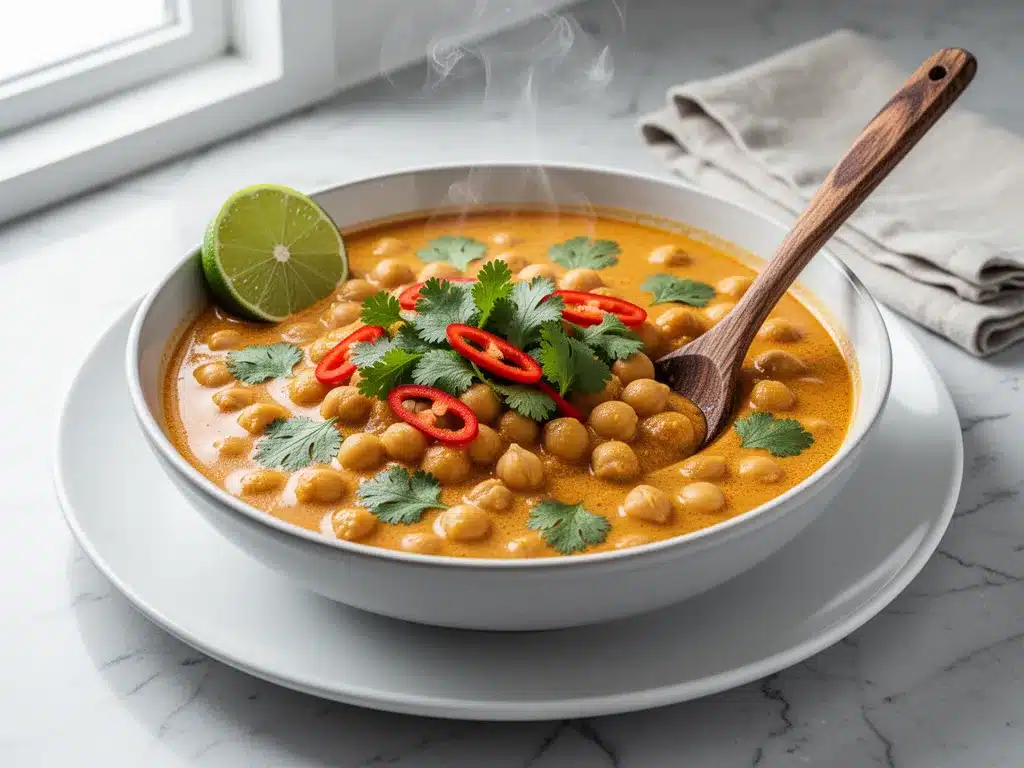
Curry powder (2 tablespoons) — I use a mild to medium Madras-style curry powder. If you like it spicy, get a hot curry powder. This is the backbone of the vegan one-pot coconut chickpea curry flavor. Don’t skimp!
Ground cumin (1 teaspoon) — Adds earthiness. It’s subtle but necessary for that deep, savory taste.
Ground turmeric (1 teaspoon) — Gives it that gorgeous golden color and adds anti-inflammatory benefits. It has a mild, earthy flavor.
Red pepper flakes (½ teaspoon, optional) — For a little kick. I usually add this, but leave it out if you’re serving kids.
Coconut milk (1 can, 13.5 oz / 400ml) — Full-fat is best. It makes the sauce rich and creamy. Light coconut milk works but the sauce will be thinner and less luxurious. Look for the ones without added sugar.
Vegetable broth (½ cup / 120ml) — I use low-sodium so I can control the salt. Vegetable broth is essential for keeping this vegan. Chicken broth is obviously not an option here.
The Stars
Chickpeas (2 cans, 15 oz each / about 450g drained) — The protein powerhouse. Rinse and drain them well. Some people like to mash a few of them to thicken the sauce; I usually leave them whole for texture.
Spinach (2 cups, fresh) — I add this at the very end. It wilts down instantly and adds a pop of green and iron. You can use kale if you prefer, but spinach is easier.
Lime juice (1 tablespoon) — This is the secret weapon. The acidity cuts through the richness of the coconut milk and brightens everything up. Do not skip it.
Fresh cilantro (for garnish) — If you hate cilantro, use parsley. But honestly, cilantro is traditional and adds a fresh finish.
Common Questions
- Can I use canned coconut cream? Yes, but it’s very thick. You might need to add a bit more broth or water to thin it out.
- Where do I find curry powder? It’s in the spice aisle of any grocery store, usually near the cumin and turmeric.
- Can I make this ahead? Absolutely. It tastes better after sitting in the fridge for a day.
Equipment Needed
You don’t need fancy equipment for this vegan one-pot coconut chickpea curry. Here’s what I actually use:
Large pot or Dutch oven — I use a 6-quart pot. Needs to fit two cans of chickpeas and the coconut milk comfortably. My ancient pot from college still works fine. A Dutch oven is great for even heat distribution.
Wooden spoon — For stirring. Silicone works too. Don’t use metal on non-stick pots.
Box grater — For the ginger. Or you can buy fresh ginger paste if you’re being lazy, but fresh is better.
Can opener — Obvious, but never forget the can opener. I’ve been caught multiple times.
Measuring cups and spoons — Pretty standard stuff. Dollar store versions work fine for this recipe.
Colander — For rinsing the chickpeas. Or just do it in the sink under running water.
Optional but nice:
- Microplane — If you grate ginger often, this is worth the investment. Makes it super easy.
- Lime zester — For extra zest if you want to go all out.
How to Make It: Step-by-Step
Alright, let’s make this! I’m walking you through exactly how I do it, including the little tricks I’ve picked up over fifty-plus makes.
Step 1: Prep Your Ingredients (5 minutes)
Before you start cooking, dice your onion, mince your garlic, and grate your ginger. I know it seems fussy, but it makes the actual cooking way less stressful. Once you start cooking, things move fast. Measure out your spices so they’re within arm’s reach. Grate your ginger while the pot heats up.
Step 2: Sauté the Aromatics (3-4 minutes)
Heat the coconut oil in your large pot over medium heat. Add the diced onion and cook for 2-3 minutes until it starts to soften and smell sweet. Add the minced garlic and grated ginger. Cook for 1 minute, stirring constantly. The garlic should smell amazing but not brown—browned garlic tastes bitter. This is where the flavor foundation is laid.
Step 3: Bloom the Spices (1-2 minutes)
Add the curry powder, cumin, turmeric, and red pepper flakes. Stir well and cook for 1 minute. This step is crucial. Toasting the spices in the oil “blooms” them, releasing their essential oils and deepening the flavor. If you skip this, your curry will taste flat. You’ll smell an incredible aroma filling the kitchen right about now.
Step 4: Build the Sauce (5 minutes)
Pour in the coconut milk and vegetable broth. Stir well to combine with the spice paste. Let it come to a gentle simmer. The sauce should start to bubble lightly. Let it simmer for 3-4 minutes until it thickens slightly. The sauce should coat the back of a spoon. If it’s too thick, add a splash more broth.
Step 5: Add the Chickpeas (5 minutes)
Add the drained chickpeas to the pot. Stir them into the sauce. Let everything simmer together for 5 minutes. This allows the chickpeas to absorb the flavors of the curry. If you like a thicker sauce, you can mash a few of the chickpeas against the side of the pot with your spoon. I usually do this for a creamier texture.
Step 6: Finish with Greens (2 minutes)
Remove the pot from the heat. Stir in the fresh spinach. It will wilt down almost instantly. Add the lime juice and stir. The lime juice brightens the whole dish. Taste and adjust salt if needed. The sauce should be creamy, rich, and flavorful.
Step 7: Serve
Serve immediately topped with fresh cilantro, a squeeze of lime, and maybe some red pepper flakes if you like heat. This vegan one-pot coconut chickpea curry is best served over basmati rice, quinoa, or with crusty bread to soak up the sauce.
Total Time: About 25 minutes (10 minutes active, 15 minutes simmering)
Expert Tips & Tricks
Here’s everything I’ve learned from making this dozens of times. These tips will save you from my mistakes.
Save That Starch
If you’re serving this over rice, save a little bit of the starchy rice water. Stirring a tablespoon of it into the curry at the end gives it a silky, restaurant-quality texture. It’s a trick I learned from a Thai chef friend.
Don’t Skimp on Salt
Coconut milk can mute flavors. Make sure you salt your sauce well. I use about 1 teaspoon of salt, but taste as you go. Your vegan one-pot coconut chickpea curry should be well-seasoned, not bland.
Fresh Ginger is Key
I’ve tried using ground ginger or ginger paste, and it just doesn’t compare. Fresh ginger has a brightness that is essential. If you’re really short on time, you can buy fresh ginger paste in tubes at the grocery store, but fresh is best.
Low and Slow
Don’t rush the simmer. Letting the curry simmer for the full 5 minutes with the chickpeas allows the flavors to meld. If you’re in a huge rush, you can cut it to 3 minutes, but 5 is better.
Room Temperature Coconut Milk
If your coconut milk is straight from the fridge, it can sometimes separate when heated. Let it sit out for 15 minutes before using, or warm it slightly in the microwave before adding to the pot.
Common Mistakes (and how to avoid them)
- Mistake: Sauce is too watery — Fix: Let it simmer longer. The liquid will reduce. Also, make sure you’re using full-fat coconut milk.
- Mistake: Spices taste raw — Fix: You didn’t bloom them long enough. Cook the spices in the oil for a full minute until fragrant.
- Mistake: Everything is too salty — Fix: Use unsalted broth and unsalted coconut milk so you can control the salt. You can always add more, can’t take it away.
Variations & Substitutions
Once you’ve nailed the basic vegan one-pot coconut chickpea curry, here’s how you can mix it up. I’ve tried all of these.
Vegetable-Packed
Add 1 cup of diced sweet potato or butternut squash when you add the chickpeas. Let it simmer for 10 minutes before adding the chickpeas so the veggies soften. This adds bulk and sweetness.
Spinach & Corn
Add 1 cup of frozen corn kernels and the spinach at the end. The corn adds a nice pop of sweetness and texture. This is a favorite with my kids.
Coconut Shrimp Style
Add 1 pound of peeled shrimp in the last 3 minutes of cooking. It’s no longer vegan, but it’s a delicious variation if you eat seafood.
Spicy Tikka Style
Add 1 tablespoon of garam masala and 1 teaspoon of chili powder. Top with a dollop of coconut yogurt. This gives it a smoky, spicy kick.
Gluten-Free
This recipe is naturally gluten-free. Just make sure your curry powder and vegetable broth are certified gluten-free.
Dairy-Free
This recipe is naturally dairy-free. Coconut milk is a dairy-free alternative to cream.
Lower-Calorie
Use light coconut milk and reduce the oil to 1 tablespoon. It’s still good, just less rich. I make this version when I’m trying to be lighter.
Serving & Storage
How to Serve
I usually serve this straight from the pot at the dinner table—it looks rustic and stays warm. But here are other ways I’ve enjoyed it:
- Basmati Rice — The classic choice. Fluffy, fragrant rice soaks up the sauce perfectly.
- Quinoa — For a protein-packed grain base.
- Crusty Bread — Naan or sourdough is great for dipping.
- Simple Green Salad — A light salad with lemon vinaigrette cuts the richness of the curry.
Toppings Bar:
When I have guests, I put out: extra cilantro, lime wedges, red pepper flakes, crispy fried onions, and coconut yogurt. Everyone customizes their bowl.
Storage Instructions
Refrigerator:
Store in an airtight container for up to 4 days. The sauce will thicken in the fridge—totally normal.
Reheating:
Best method: Add to a skillet with a splash of water or coconut milk over low heat. Stir until heated through and creamy again.
Microwave method: Heat in 30-second intervals, stirring between. Add a splash of water if it’s too thick.
Never works: Trying to reheat in the pot you cooked it in. It always burns on the bottom. Ask me how I know.
Freezing:
Honestly, this freezes well! The coconut sauce holds up better than dairy-based sauces. Store in freezer-safe containers for up to 3 months. Thaw in the fridge overnight and reheat gently.
Meal Prep:
Make the vegan one-pot coconut chickpea curry on Sunday, store in the fridge. Reheat each night. Takes 2 minutes and tastes way better than takeout.
Nutrition Information
I’m not a nutritionist, but here’s the breakdown if you’re tracking.
Per Serving (based on 6 servings):
- Calories: 320
- Protein: 12g
- Carbs: 40g
- Fiber: 10g
- Sugar: 6g
- Fat: 14g
- Saturated Fat: 10g
- Cholesterol: 0mg
- Sodium: 450mg
- Calcium: 120mg
What’s Good:
- High in fiber from chickpeas
- Good source of plant-based protein
- Rich in iron and folate
- Healthy fats from coconut milk
What to Know:
- Higher in calories from coconut milk
- Contains no gluten or dairy
- Moderate sodium (use low-sodium broth to reduce)
My Take:
“Look, this is comfort food with coconut milk. It’s not a diet recipe. But it’s way better than takeout, costs less, and I know exactly what’s in it. When I want to make it lighter, I use light coconut milk and load up on vegetables. But usually? I just eat a reasonable portion and enjoy it.”
Final Thoughts
So that’s my vegan one-pot coconut chickpea curry! I’ve probably talked your ear off at this point, but when you make a recipe this often, you have a lot to say about it.
This has saved weeknight dinners more times than I can count. It’s my answer to “what’s for dinner” when I’m tired, don’t want takeout, and still want something that tastes really good. My kids are happy, my husband’s happy (even when I add shrimp), and I’m happy because I’m not stressed about cooking.
Make it yours! Try different add-ins, swap in your favorite vegetables, adjust the spice level. The best recipes are the ones you adapt to your family’s tastes. If you make this, drop a comment and let me know what you think! I love hearing how recipes turn out in your kitchen. And if something doesn’t work, tell me that too—I’m here to help troubleshoot.
Happy cooking! And I hope your kitchen smells half as good as mine does right now.
Frequently Asked Questions
Can I use coconut cream instead of coconut milk?
You can, but it’s much thicker. You’ll need to add more broth or water to thin it out to a sauce consistency. I usually use a 50/50 mix of coconut cream and water if I only have cream. It works well for a richer curry.
Why did my curry turn out watery?
Usually means you didn’t let it simmer long enough, or you used light coconut milk which is thinner. Let the vegan one-pot coconut chickpea curry simmer for at least 5 minutes after adding the chickpeas. The liquid will reduce and thicken. Also, make sure you’re not adding too much broth.
Can I make this ahead for a dinner party?
Absolutely. This curry actually tastes better the next day. Make it up to 2 days ahead and store in the fridge. Reheat gently on the stove, adding a splash of water if needed. It saves you so much stress on party day.
Why did my sauce separate?
This can happen if the heat was too high when you added the coconut milk. Coconut milk can break if boiled vigorously. Keep it at a gentle simmer. If it separates, whisk in a splash of water or blend it briefly with an immersion blender to bring it back together.
Can I use jarred ginger?
You can, but fresh tastes so much better in this recipe. Jarred ginger has a preserved taste that doesn’t pair as well with the fresh lime and cilantro. If you must use it, use half the amount because it’s more concentrated. But honestly, grating fresh ginger takes like 2 minutes.
How do I reheat leftovers without it getting dry?
Add a splash of water or coconut milk to a skillet, add your leftover curry, and heat gently over low heat, stirring frequently. The extra liquid brings back the creamy texture. Microwave sort of works but tends to dry it out. If you do microwave, definitely add a splash of liquid first and heat in short bursts, stirring between.
Can I double this recipe?
Yes! Double everything and use your biggest pot. The cooking times stay the same. I do this when I’m meal-prepping or feeding a crowd. Just make sure your pot is big enough for the increased volume.
Pin This Recipe!
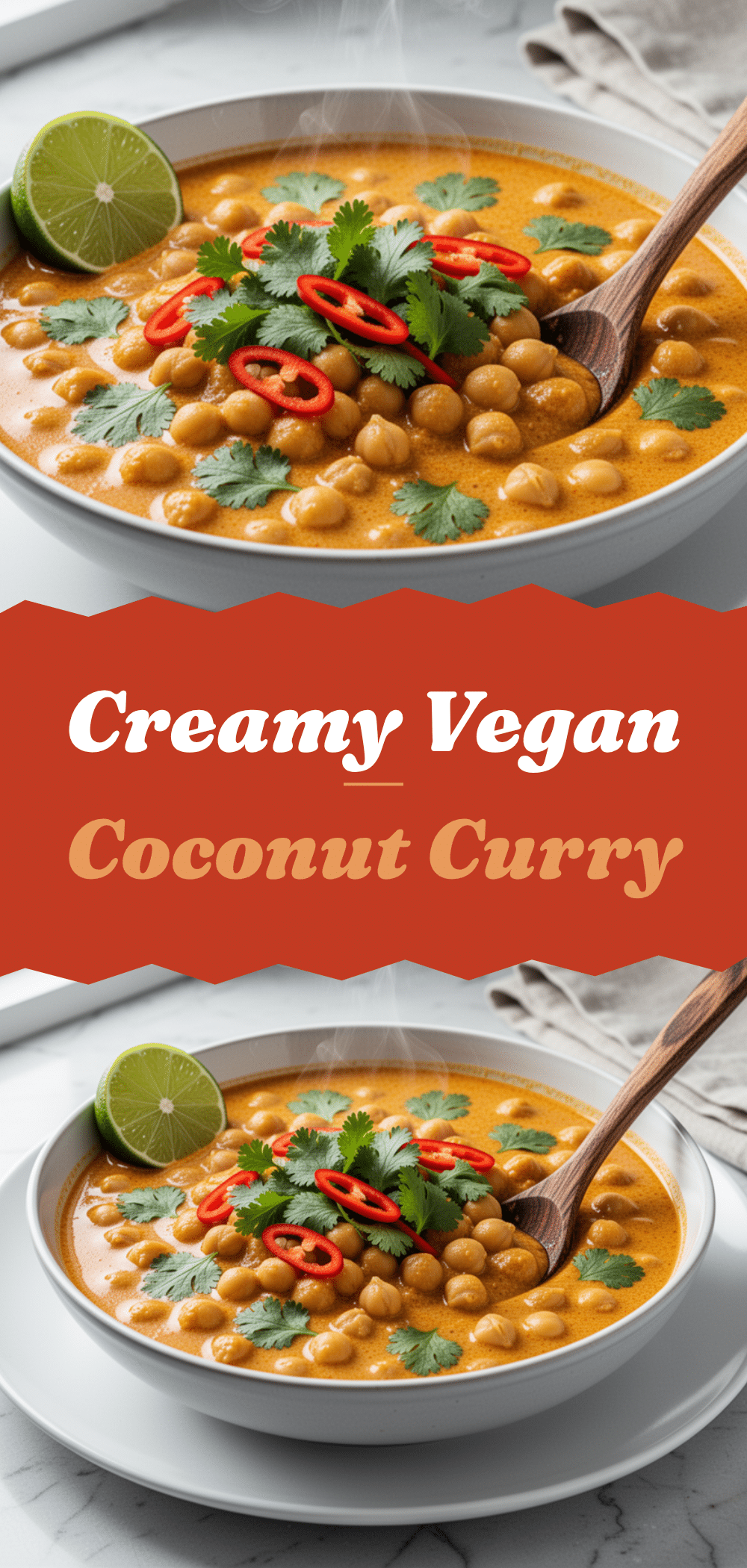

Vegan One-Pot Coconut Chickpea Curry
- Total Time: 25 minutes
- Yield: 6 servings 1x
Description
A creamy, comforting, and protein-packed vegan curry that comes together in one pot in just 25 minutes. Perfect for busy weeknights, this budget-friendly meal is pantry-friendly and easily customizable.
Ingredients
- 2 tablespoons coconut oil
- 1 medium yellow onion, diced
- 4 cloves garlic, minced
- 1 tablespoon fresh ginger, grated
- 2 tablespoons curry powder (Madras-style)
- 1 teaspoon ground cumin
- 1 teaspoon ground turmeric
- 0.5 teaspoon red pepper flakes (optional)
- 1 can (13.5 oz / 400ml) full-fat coconut milk
- 0.5 cup vegetable broth (low-sodium)
- 2 cans (15 oz each) chickpeas, drained and rinsed
- 2 cups fresh spinach
- 1 tablespoon lime juice
- Fresh cilantro for garnish
- Salt to taste
Instructions
- Prep ingredients: Dice the onion, mince the garlic, and grate the ginger. Measure out spices.
- Sauté aromatics: Heat coconut oil in a large pot over medium heat. Add onion and cook for 2-3 minutes until soft. Add garlic and ginger, cooking for 1 minute until fragrant but not browned.
- Bloom spices: Add curry powder, cumin, turmeric, and red pepper flakes. Stir and cook for 1 minute to release essential oils.
- Build sauce: Pour in coconut milk and vegetable broth. Stir to combine and bring to a gentle simmer. Cook for 3-4 minutes until the sauce thickens slightly.
- Add chickpeas: Stir in the drained chickpeas. Simmer for 5 minutes to allow flavors to meld. Mash a few chickpeas against the pot for a thicker sauce if desired.
- Finish with greens: Remove from heat. Stir in spinach until wilted. Add lime juice and salt to taste.
- Serve: Serve immediately topped with fresh cilantro, lime wedges, and optional red pepper flakes. Best served over basmati rice, quinoa, or with crusty bread.
Notes
[‘Use full-fat coconut milk for a richer, creamier sauce.’, ‘Fresh ginger is preferred over ground or jarred for the best flavor.’, ‘The curry tastes even better the next day as flavors meld.’, ‘If the sauce is too watery, simmer longer. If too thick, add a splash of broth or water.’, ‘Save starchy rice water to stir into the curry for a silky texture.’, ‘Ensure curry powder and broth are certified gluten-free if needed.’]
- Prep Time: 10 minutes
- Cook Time: 15 minutes
- Category: Main Course
- Cuisine: Indian
Nutrition
- Serving Size: 1 bowl with rice or
- Calories: 320
- Sugar: 6
- Sodium: 450
- Fat: 14
- Saturated Fat: 10
- Carbohydrates: 40
- Fiber: 10
- Protein: 12
Keywords: vegan curry, one pot meal, chickpea curry, coconut curry, weeknight dinner, easy vegan recipe, gluten-free, dairy-free, meal prep


