I have a confession to make. For years, I treated dinner like a high-stakes puzzle. You know the kind: you come home exhausted, your brain is fried, and you’re staring into the fridge hoping a miracle will appear. Usually, it’s just a wilted bunch of spinach and half a jar of pickles. That’s not dinner. That’s a cry for help.
Last Tuesday, I was in one of those moods. My kids had been weirdly energetic all day, I’d forgotten to thaw chicken (again), and I had zero desire to chop vegetables or manage a complex stovetop situation. I needed something fast, something healthy, and—crucially—something that wouldn’t trigger my gluten sensitivity but still tasted like I’d spent an hour in the kitchen.
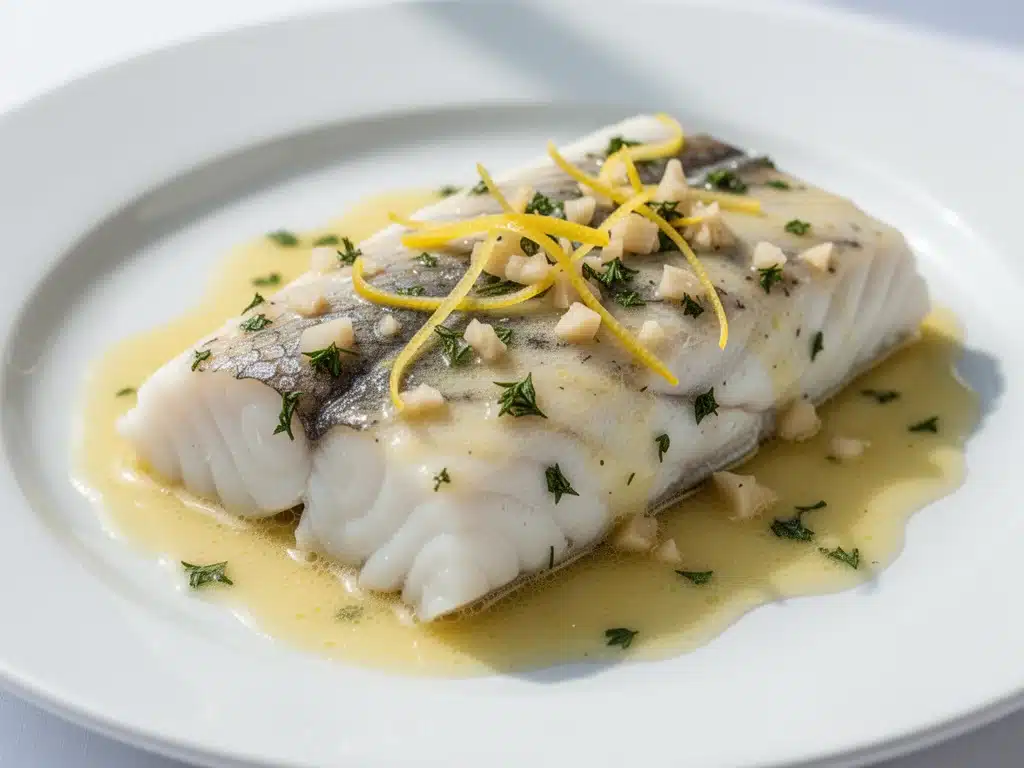
That’s when I pulled out two simple fillets of white fish, a lemon, and a stick of butter. I tossed them in the oven with zero fanfare. Twenty minutes later, the house smelled like a fancy restaurant, my kids cleaned their plates (a rarity), and I realized I’d just made the easiest, most reliable dinner of my life.
This gluten-free baked fish recipe isn’t just about convenience. It’s about reclaiming your evenings. It’s about proving that eating clean and gluten-free doesn’t mean eating bland or boring. In fact, this easy lemon butter dinner is so good that I’ve made it at least six times in the last month. It’s become my go-to when I want to feel good about what I’m eating without the stress.
If you’re tired of dry, overcooked fish or complicated marinades that require twenty ingredients you don’t have, you’re going to love this. It’s five ingredients. Five. That’s it. Let me show you how to make fish that’s actually juicy, flavorful, and safe for your gluten-free lifestyle.
Why You’ll Love This Recipe
Look, I’m not here to sell you on the idea that fish is a daily requirement. But there are specific reasons why this gluten-free baked fish has earned a permanent spot in my weekly rotation. It’s not just “easy.” It’s strategically simple.
- Stress-Free Cleanup — This is the big one. We’re baking on a sheet pan. That means one pan to wash. I’ve made this after working 12-hour days when the last thing I wanted was a mountain of dirty dishes. Just line the pan with foil, bake, and scrape it into the trash. You’re welcome.
- Under 30 Minutes Total — From preheating the oven to scraping the last bite off your fork, this takes about 25 minutes. The active time is maybe 5 minutes. I’m talking: put fish on pan, squeeze lemon, drizzle butter, pop in oven. Done. It’s faster than ordering takeout and waiting for a driver to find your house.
- Actually Gluten-Free (No Cross-Contamination Worries) — If you’re celiac or just sensitive, you know the terror of hidden gluten in sauces or coatings. This recipe uses no breadcrumbs, no flour dredges, and no soy sauce. It’s naturally gluten-free. No substitutions needed. No guessing. Just pure, clean fish.
- Kid-Approved Flavor — I have a picky eater in the house who usually rejects anything “fancy.” But lemon and butter? That’s universal. They think it’s just “tasty fish,” not “healthy dinner.” I’ll take the win.
- Restaurant Quality at Home — There’s something luxurious about baked fish with garlic and herbs. It feels like you’re at a bistro, but you’re in your pajamas. It’s comfort food that doesn’t weigh you down.
This isn’t just a meal; it’s a reset button for your week. It’s light, it’s protein-packed, and it leaves you feeling energized rather than sluggish. Plus, it pairs perfectly with everything from roasted veggies to our high protein baked salmon bowls with quinoa if you want to switch up the sides later.
Ingredients You’ll Need
Here’s the best part: you probably already have 90% of this in your kitchen. I’m not asking you to run to the store for obscure spices. This is pantry-friendly, fridge-clearing cooking.
The Star: The Fish
White Fish Fillets (1.5 lbs / 680g) — I use cod, tilapia, or haddock. Cod is flakier and milder; tilapia is cheaper and holds up well. Avoid fish that smells “fishy” at the store—that’s your first warning sign. Look for firm, translucent flesh. If it’s slimy or has a strong ammonia smell, put it back.
The Flavor Boosters
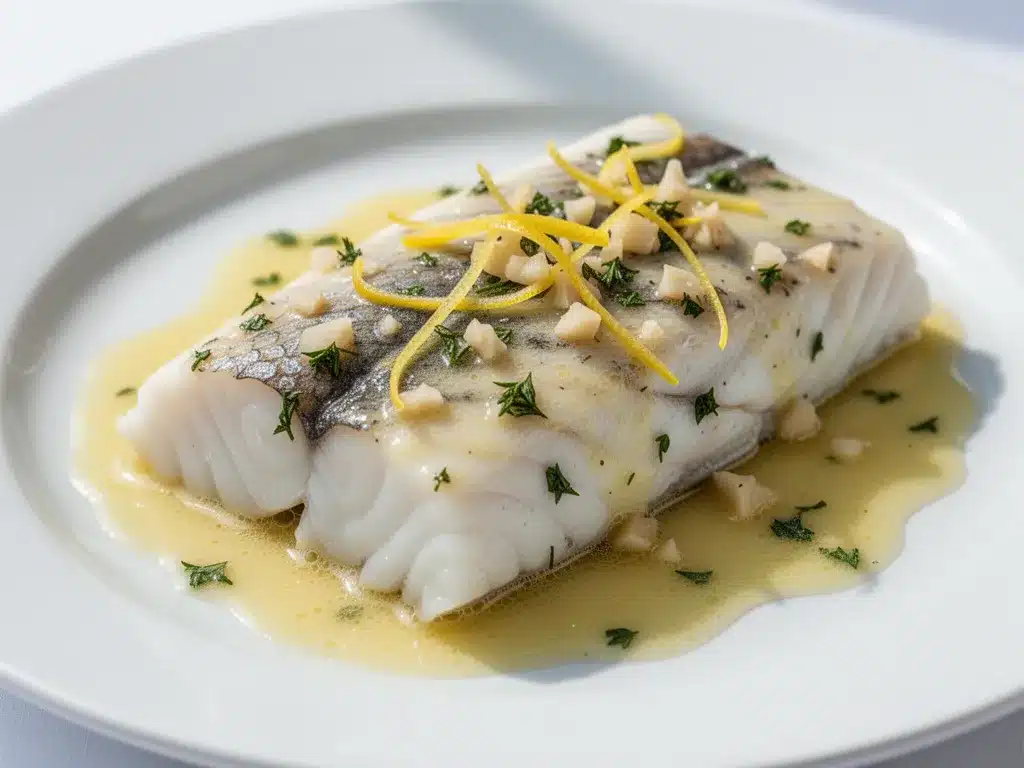
Unsalted Butter (4 tablespoons / 60g) — This is where the richness comes from. I use unsalted so I can control the sodium, but if you’re in a rush, salted works. Just reduce the added salt later. Melt it in the microwave for 30 seconds.
Fresh Lemon (2 lemons) — One for the juice, one for the slices. Fresh is non-negotiable here. Bottled lemon juice tastes metallic and artificial. It will ruin the dish. Squeeze it yourself. It takes 10 seconds and makes all the difference.
Garlic (3 cloves, minced) — Fresh garlic only. No jarred stuff. I know it’s extra work, but minced garlic releases oils that bottled garlic just doesn’t have. It’s the backbone of this easy lemon butter dinner.
The Seasoning
Dried Parsley (1 teaspoon) — Adds color and a fresh, grassy note. If you have fresh parsley, use double the amount (2 teaspoons). It looks beautiful on top.
Kosher Salt (½ teaspoon) — Or to taste. Kosher salt is less dense than table salt, so it’s easier to control. If you use table salt, go light—start with ¼ teaspoon.
Black Pepper (½ teaspoon, freshly cracked) — Pre-ground pepper loses its punch. Crack it fresh for that sharp, aromatic bite.
Optional: Red Pepper Flakes — If you like a tiny kick, add a pinch. It cuts through the richness of the butter nicely. I add this for my husband but leave it off for the kids.
What About the Sides?
While we’re focused on the fish, remember that this gluten-free baked fish shines with simple sides. I often serve it with creamy roasted asparagus or a crisp green salad. The lemon butter sauce is so good, you’ll want a side that can soak it up—like gluten-free crusty bread or steamed rice.
Equipment Needed
You don’t need fancy gadgets. I’m not using a sous vide machine or a high-end convection oven. Here’s what I actually use.
Baking Sheet — I use a standard 13×18 inch rimmed baking sheet. It needs to be big enough to hold all the fillets in a single layer. Crowding the pan steams the fish instead of baking it, which leads to mushy texture.
Parchment Paper or Aluminum Foil — I prefer parchment for easy cleanup and to prevent sticking. Foil works too, but you might need a light spray of oil. Parchment is worth the extra penny.
Small Saucepan or Microwave-Safe Bowl — To melt the butter. I usually just use a glass measuring cup in the microwave. It’s faster than washing a pan.
Zester or Microplane — Optional, but I love adding a little lemon zest to the butter mixture. It intensifies the lemon flavor without adding more acid. If you don’t have one, just grate the yellow part of the peel with a box grater.
Spatula — A thin, flexible spatula helps slide the fish off the pan without breaking the delicate flakes. A regular spoon works in a pinch, but be gentle.
Measuring Spoons — Standard stuff. I keep a cheap set from the dollar store that’s held up fine for years.
How to Make It: Step-by-Step
Alright, let’s get cooking. This is straightforward, but there are a few tricks to ensure your fish comes out moist and not dry.
Step 1: Prep Your Pan and Oven (5 minutes)
Preheat your oven to 400°F (200°C). This is hot enough to cook the fish quickly without drying it out. While the oven heats, line your baking sheet with parchment paper. Lightly grease it with a little olive oil or butter spray. This ensures nothing sticks.
Step 2: Pat the Fish Dry (Crucial Step)
Take your fish fillets and pat them completely dry with paper towels. I know this seems like a small detail, but moisture is the enemy of flavor. If the fish is wet, it steams. Dry fish sears and bakes beautifully. Do this for every fillet. Don’t skip it.
Step 3: Make the Lemon Butter Sauce
In your microwave-safe bowl or small saucepan, melt the butter. Once melted, stir in the minced garlic, lemon juice (from one lemon), lemon zest (if using), dried parsley, salt, and pepper. Whisk it together until it’s emulsified. It should look creamy and fragrant. If you’re using red pepper flakes, add them now.
Step 4: Assemble the Fish
Place the dried fish fillets on the prepared baking sheet. Make sure they aren’t touching. Pour the lemon butter mixture evenly over each fillet. Use a spoon to drizzle the remaining sauce from the bowl over the top. You want every bit of flavor on the fish. Don’t leave that good sauce in the bowl!
Step 5: Bake
Slide the pan into the oven. Bake for 12-15 minutes. The exact time depends on the thickness of your fillets. A good rule of thumb: fish is done when it flakes easily with a fork and turns opaque white. If your fillets are very thin (like tilapia), check at 10 minutes. If they’re thick (like cod), they might need the full 15.
Step 6: Garnish and Serve
Remove the pan from the oven. Squeeze a little fresh lemon juice over the top if you want extra brightness. Garnish with fresh parsley if you have it. Serve immediately while hot. The butter sauce will be hot and tangy—perfect for spooning over the top.
Total Time: 25 minutes (5 min prep, 20 min cook)
Troubleshooting During Cooking
- Fish is sticking to the pan: Your pan wasn’t greased enough, or you flipped it too aggressively. Next time, use more parchment or oil.
- Fish is dry: You overcooked it. White fish cooks fast. Start checking at 10 minutes. It should flake, not shred into dust.
- Sauce is too thin: That’s actually fine! It’s meant to be a light sauce. If you want it thicker, reduce the lemon juice by half.
Expert Tips & Tricks
I’ve made this enough times to know where things can go wrong. Here’s how to avoid my mistakes.
Don’t Overcrowd the Pan — This is the #1 mistake. If the fish fillets are touching, they steam each other. Give them space. If you have too much fish, cook in two batches. It’s worth the extra 10 minutes.
Use Room Temperature Fish — If you pull the fish straight from the fridge, it cooks unevenly. Let it sit on the counter for 10-15 minutes before cooking. It helps the fish bake more evenly.
Test for Doneness — Use a fork to gently press the thickest part of the fillet. If it resists slightly and flakes, it’s done. If it’s still translucent in the center, give it 2 more minutes. Overcooked fish is sad, dry, and rubbery. Undercooked fish is safe but not tasty. Aim for flaky opaque.
Toast the Garlic (Optional) — For extra depth, I sometimes sauté the garlic in the butter for 30 seconds before pouring it over the fish. It toasts the garlic slightly, removing the raw bite. Just be careful not to burn it—burnt garlic is bitter.
Save the Pan Sauce — After you serve the fish, there’s usually some sauce left in the pan. Don’t throw it away! Scrape it up with a little white wine or extra lemon juice and serve it on the side. It’s liquid gold.
Variations & Substitutions
Once you master the base, here’s how you can mix it up. I’ve tested these, and they work.
Herb Crusted Version — Mix 2 tablespoons of gluten-free panko breadcrumbs with the parsley and garlic before sprinkling over the fish. It adds a nice crunch. I use gluten-free panko just like I do for my chicken tenders.
Asian-Inspired — Swap the lemon juice for rice vinegar. Use ginger instead of garlic. Add a splash of gluten-free tamari (check the label, some have wheat). Top with sesame seeds and green onions. It’s a whole new flavor profile.
Spicy Kick — Add 1 teaspoon of Cajun seasoning or Old Bay to the butter mixture. It pairs amazingly with white fish and adds warmth without overwhelming the lemon.
Vegetarian Swap — This method works great for thick slices of firm tofu or even portobello mushroom caps. Marinate them in the lemon butter sauce for 10 minutes before baking. Tofu takes about 15 minutes at 400°F.
Dairy-Free — Replace the butter with olive oil. It’s lighter but still delicious. Add a little extra lemon juice to compensate for the richness.
Serving & Storage
This easy lemon butter dinner is best served fresh, but leftovers happen. Here’s how to handle them.
How to Serve — I love this with a simple side of steamed green beans or roasted asparagus. A small salad with a vinaigrette cuts through the richness. For a heartier meal, serve it with gluten-free rice or quinoa to soak up the sauce. It also pairs well with my favorite creamy mashed potatoes (made with olive oil instead of butter for a lighter touch).
Storing Leftovers — Store in an airtight container in the fridge for up to 2 days. The fish will absorb the sauce, becoming even more flavorful. It’s actually better the next day.
Reheating — Do not microwave this. Microwaving fish makes it rubbery. Instead, reheat it gently in a skillet over low heat with a splash of water or broth. Cover the pan to steam it slightly. It will stay moist and tender. Or, just eat it cold—it’s delicious as a salad topping!
Freezing — I don’t recommend freezing baked fish. The texture changes significantly. It’s best fresh.
Nutrition Information
I’m not a nutritionist, but here’s the breakdown if you’re tracking. This is per serving (based on 4 servings).
| Nutrient | Amount |
|---|---|
| Calories | 220 |
| Protein | 24g |
| Carbs | 1g |
| Fat | 14g |
| Saturated Fat | 7g |
| Sodium | 320mg |
What’s Good: High in protein, very low in carbs, gluten-free. Great for keto or low-carb diets.
What to Know: The fat comes from the butter. If you’re watching saturated fat, reduce the butter to 2 tablespoons or use olive oil. The sodium is moderate, mostly from the salt. Use low-sodium salt if needed.
My Take: This is clean, simple food. It’s not a diet pill, but it’s fuel that makes you feel good. I eat this when I want to reset after a weekend of indulgence. It’s light, satisfying, and guilt-free.
Final Thoughts
So, that’s my gluten-free baked fish recipe. It’s simple, it’s fast, and it’s delicious. I hope it becomes your new go-to for busy weeknights. Dinner doesn’t have to be a chore. It can be a moment of peace, a quick cleanup, and a tasty meal that everyone enjoys.
Make it yours! Add more herbs, swap the fish, change the sides. The best recipes are the ones you adapt to your life. If you make this, I’d love to hear how it turns out. Drop a comment below and let me know if your kids loved it too.
Happy cooking! And I hope your kitchen smells as amazing as mine does right now.
Frequently Asked Questions
Can I use frozen fish for this recipe?
Yes, but you need to thaw it completely first. Pat it dry really well. Frozen fish often has more moisture, so you might need to add a minute or two to the baking time. Thaw it in the fridge overnight for best results.
What is the best white fish to use?
Cod, tilapia, haddock, and halibud are all great choices. Cod is flaky and mild. Tilapia is affordable and holds together well. Halibud is meatier but more expensive. Avoid fish with strong flavors like mackerel or salmon for this specific lemon butter recipe.
How do I know when the fish is done?
Use a fork to gently press the thickest part. If it flakes easily and is opaque throughout, it’s done. If it’s still translucent, give it 2 more minutes. Internal temperature should reach 145°F (63°C).
Can I make this ahead of time?
You can prep the fish and the sauce ahead of time, but don’t assemble it until you’re ready to bake. The acid in the lemon juice can “cook” the fish (ceviche style) if it sits too long, changing the texture. Assemble and bake right before dinner.
Is this recipe safe for celiacs?
Yes, this recipe is naturally gluten-free. Just ensure your butter and any optional add-ins (like breadcrumbs) are certified gluten-free. Cross-contamination is rare in this recipe, but always check your labels.
Can I use fresh herbs instead of dried?
Absolutely. Use double the amount of fresh parsley (2 teaspoons) or add chives, dill, or thyme. Fresh herbs add a brighter flavor. Add them in the last 5 minutes of baking if using delicate herbs like basil or cilantro.
Pin This Recipe!
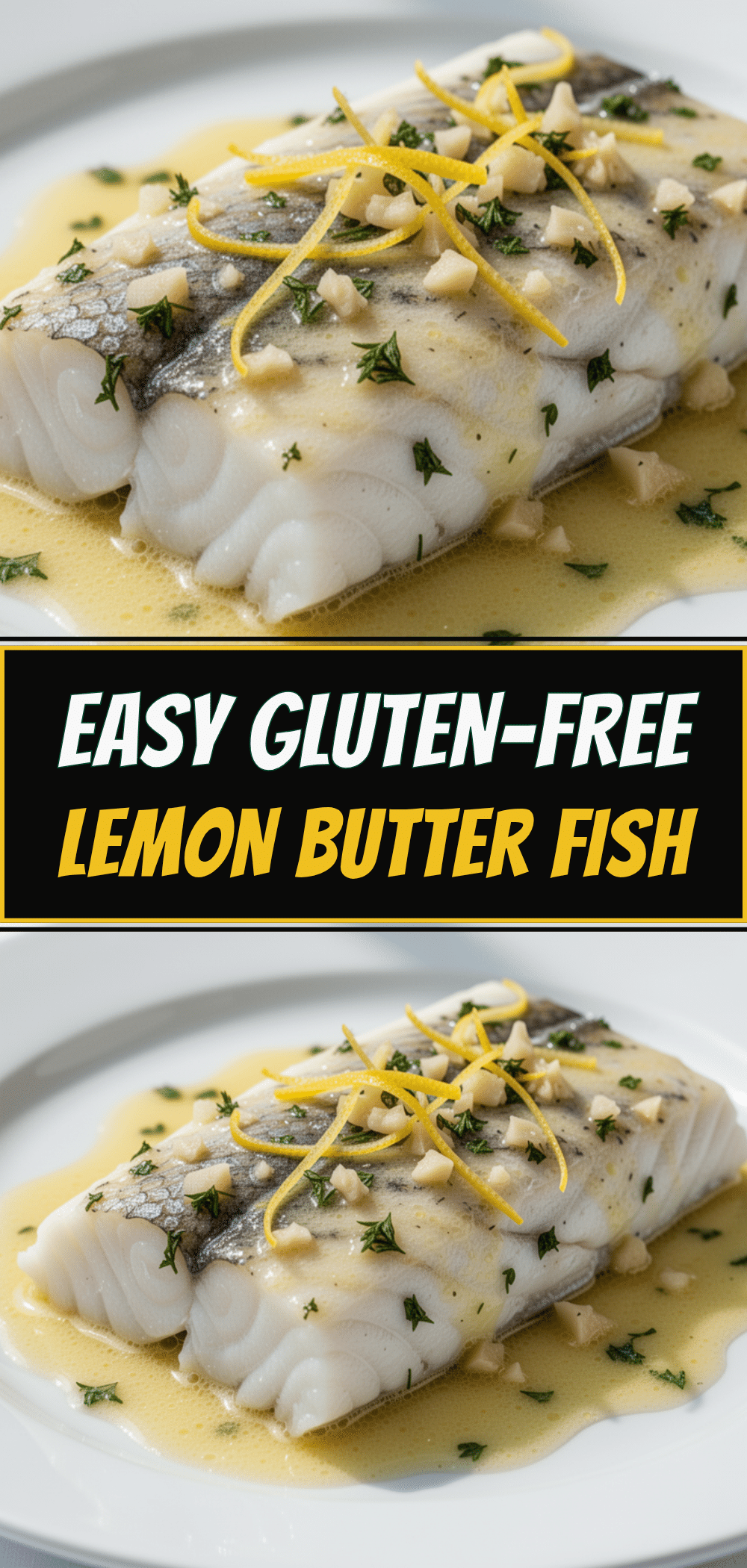
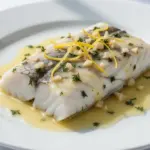
Gluten-Free Baked Fish: 5-Ingredient Easy Lemon Butter Dinner
- Total Time: 25 minutes
- Yield: 4 servings 1x
Description
A stress-free, gluten-free baked fish recipe that comes together in under 30 minutes. Using just five simple ingredients, this lemon butter dinner is juicy, flavorful, and perfect for busy weeknights.
Ingredients
- 1.5 lbs white fish fillets (cod, tilapia, or haddock)
- 4 tablespoons unsalted butter
- 2 fresh lemons (one for juice, one for slices/zest)
- 3 cloves garlic, minced
- 1 teaspoon dried parsley
- 1/2 teaspoon kosher salt
- 1/2 teaspoon freshly cracked black pepper
- Optional: Red pepper flakes
Instructions
- Preheat oven to 400°F (200°C). Line a 13×18 inch rimmed baking sheet with parchment paper and lightly grease.
- Pat the fish fillets completely dry with paper towels to ensure proper baking and prevent steaming.
- Melt the butter in a microwave-safe bowl or small saucepan. Stir in minced garlic, lemon juice, lemon zest, dried parsley, salt, and pepper. Whisk until emulsified.
- Place the dried fish fillets on the prepared baking sheet, ensuring they are not touching.
- Pour the lemon butter mixture evenly over each fillet, using a spoon to drizzle any remaining sauce from the bowl.
- Bake for 12-15 minutes, or until the fish flakes easily with a fork and turns opaque white.
- Remove from oven, garnish with fresh parsley if desired, and serve immediately.
Notes
Do not overcrowd the pan; cook in batches if necessary to prevent steaming. Let fish sit at room temperature for 10-15 minutes before cooking for even baking. Do not microwave leftovers as it makes the fish rubbery; reheat gently in a skillet. This recipe is naturally gluten-free but ensure all ingredients are certified gluten-free if serving to those with celiac disease.
- Prep Time: 5 minutes
- Cook Time: 20 minutes
- Category: Main Course
- Cuisine: American
Nutrition
- Serving Size: 1 fillet with sauce
- Calories: 220
- Sodium: 320
- Fat: 14
- Saturated Fat: 7
- Carbohydrates: 1
- Protein: 24
Keywords: gluten-free, baked fish, lemon butter, easy dinner, healthy, weeknight meal, white fish, keto-friendly, low-carb